
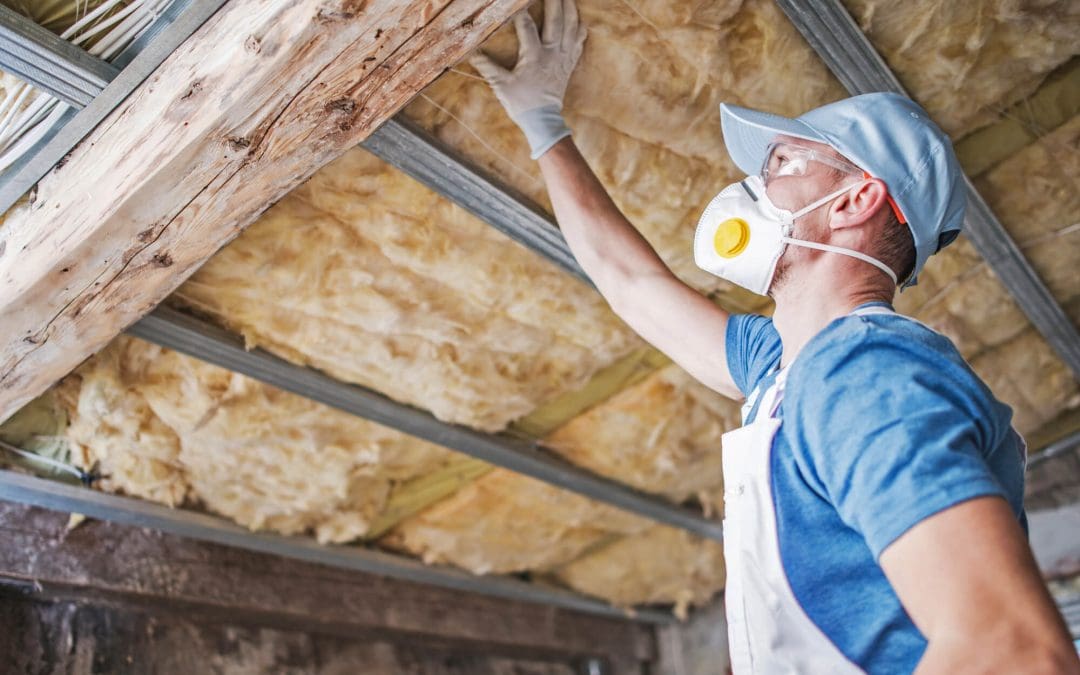
Home insulation plays a crucial role in determining a house’s comfort, efficiency, and cost-effectiveness throughout the year. When insulation is installed correctly and maintained, it helps regulate indoor temperatures, reduces energy waste, and creates a more consistent living environment. For homeowners seeking to enhance comfort while reducing their utility bills, understanding effective home insulation is a crucial step toward a healthier and more efficient home.
Why Effective Home Insulation Matters in Every Season
Home insulation acts as a barrier that slows the transfer of heat between the interior and exterior of a house. During colder months, it helps retain warm air inside, while in warmer months, it limits heat from entering the home. This balance reduces the strain on heating and cooling systems, helping to maintain steady indoor temperatures. Beyond comfort, insulation has a direct impact on energy consumption. Homes with insufficient or aging insulation often experience drafts, uneven temperatures, and higher utility costs. Adequate insulation helps minimize these issues and supports better overall performance of HVAC systems.
Types of Insulation and Where They Are Used
Different areas of a home require different insulation solutions. Common materials include fiberglass, cellulose, spray foam, and rigid foam boards. Each type has specific benefits depending on location, climate, and budget considerations. Attics are one of the most important areas for insulation, as heat naturally rises and escapes through the roof. Walls, crawl spaces, and basements also benefit significantly from proper insulation. Choosing the right type of insulation for each area ensures better thermal control and long-term durability.
Signs Your Home Insulation Needs Improvement
Many homeowners are unaware that insulation problems exist until comfort or energy costs become noticeable. Uneven room temperatures, drafts near walls or ceilings, and excessive heating or cooling bills could all indicate insulation deficiencies. In some cases, ice dams on roofs or excessive heat in upper floors during summer months may also point to insulation issues. Older homes are particularly susceptible, as insulation standards have evolved over time. Even newer homes could experience problems if insulation was improperly installed or damaged by moisture or pests. Addressing these signs early helps prevent further energy loss and potential structural issues.
Improving Energy Efficiency
Energy efficiency is one of the most significant benefits of effective home insulation. By reducing heat transfer, insulation allows heating and cooling systems to operate more efficiently and cycle less frequently. This not only lowers energy bills but also reduces wear and tear on HVAC equipment. Insulation works best when paired with proper air sealing. Sealing gaps around windows, doors, and penetrations prevents conditioned air from escaping and enhances the overall effectiveness of insulation. Together, these improvements create a more airtight and efficient home envelope.
Effective Home Insulation Aids in Comfort
Comfort goes beyond temperature alone. Effective insulation helps reduce noise transmission from outside and between rooms, contributing to a quieter indoor environment. It also helps control moisture levels, which can reduce the likelihood of condensation, mold growth, and indoor air quality concerns. Homes with well-designed insulation systems tend to feel more balanced, with fewer cold spots in winter and less heat buildup in summer. This consistency makes living spaces more enjoyable and supports healthier indoor conditions for occupants.
Long-Term Value of Investing in Effective Home Insulation
Upgrading home insulation is often viewed as a long-term investment rather than a cosmetic improvement. While insulation may not be visible, its impact on comfort, energy savings, and property value is substantial. Many buyers view energy-efficient features as a significant advantage, making insulation upgrades appealing from a resale perspective. In addition to potential savings and value, insulation improvements could extend the life of home systems by reducing operational strain. Over time, these benefits will outweigh the initial installation cost, making insulation one of the most cost-effective home upgrades available.
Effective home insulation is a foundational element of a comfortable, efficient, and durable home. By understanding how insulation works and recognizing when improvements are needed, homeowners can make informed decisions that support long-term comfort, energy savings, and property value.
Frequently Asked Questions (FAQs)
How do I know if my insulation is adequate?
Professional evaluations, energy audits, or infrared inspections will help identify insulation gaps, compression, or areas of heat loss.
What area of the home should be insulated first?
Attics are often the top priority, followed by walls, basements, and crawl spaces, depending on the home’s design and climate.
Can home insulation reduce energy bills?
Yes, effective insulation could significantly reduce heating and cooling costs by minimizing energy loss throughout the home.
Is new insulation necessary in newer homes?
Not always, but even newer homes can benefit from upgrades if insulation was poorly installed or does not meet current efficiency standards.
Does insulation help with indoor noise?
Yes, insulation reduces sound transmission, helping to create a quieter and more comfortable living environment.
M&T Inspection Services offers home inspections to customers in Indianapolis. Contact us to request our services.